How America’s AI Strategy Is Built on Infrastructure
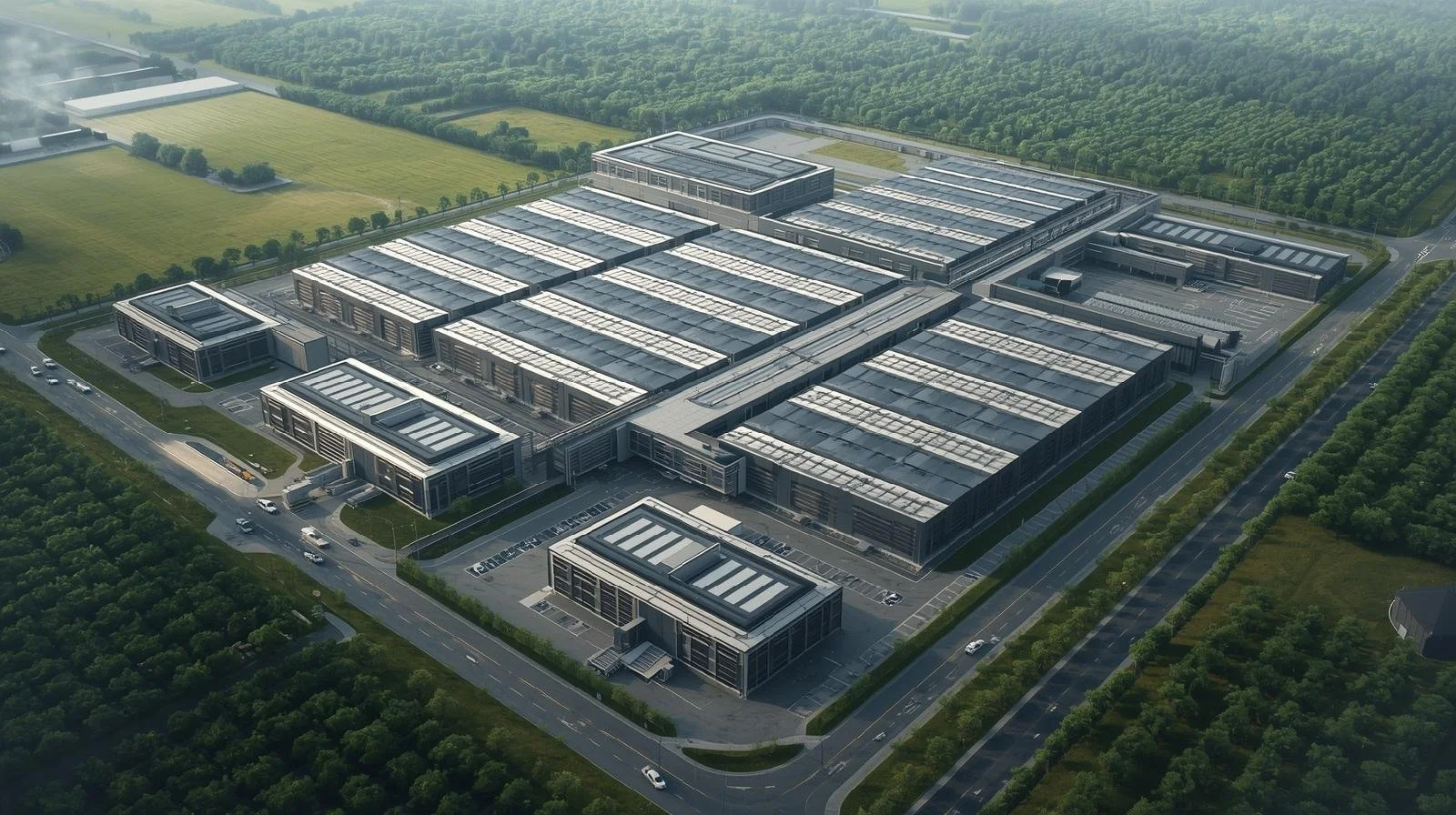
The United States government has made clear its desire to lead the global AI race. Over the past year, the United States has implemented major laws and investments at both the state and federal levels. The expansion of America's power infrastructure is a necessity for such advancement, and the US government knows this.
At the beginning of 2025, the President announced a $500 billion investment in AI, backed by OpenAI, SoftBank, and Oracle. In line with this, the US government initiated laws to promote the deregulation of developments that support AI's advancement. In an executive order in July, the President stated the following: "It will be a priority of my Administration to facilitate the rapid and efficient buildout of this infrastructure by easing Federal regulatory burdens." The backbone of AI is the infrastructure that supports it, so promoting the development of things like nuclear reactors, transmission lines, and data centers is vital.
The administration's emphasis on infrastructure development was evident a few months earlier in another executive order detailing the prioritization of nuclear energy production. The order directs the Department of Energy to prioritize nuclear energy, setting a goal for 10 new large-scale nuclear reactors to be under construction by 2030. For reference, there are no facilities of such under construction today. This plan is supported by "Strengthening the Domestic Nuclear Fuel Cycle," which ultimately deregulates and supports domestic nuclear fuel production, while also pushing to restart closed plants and complete halted constructions.
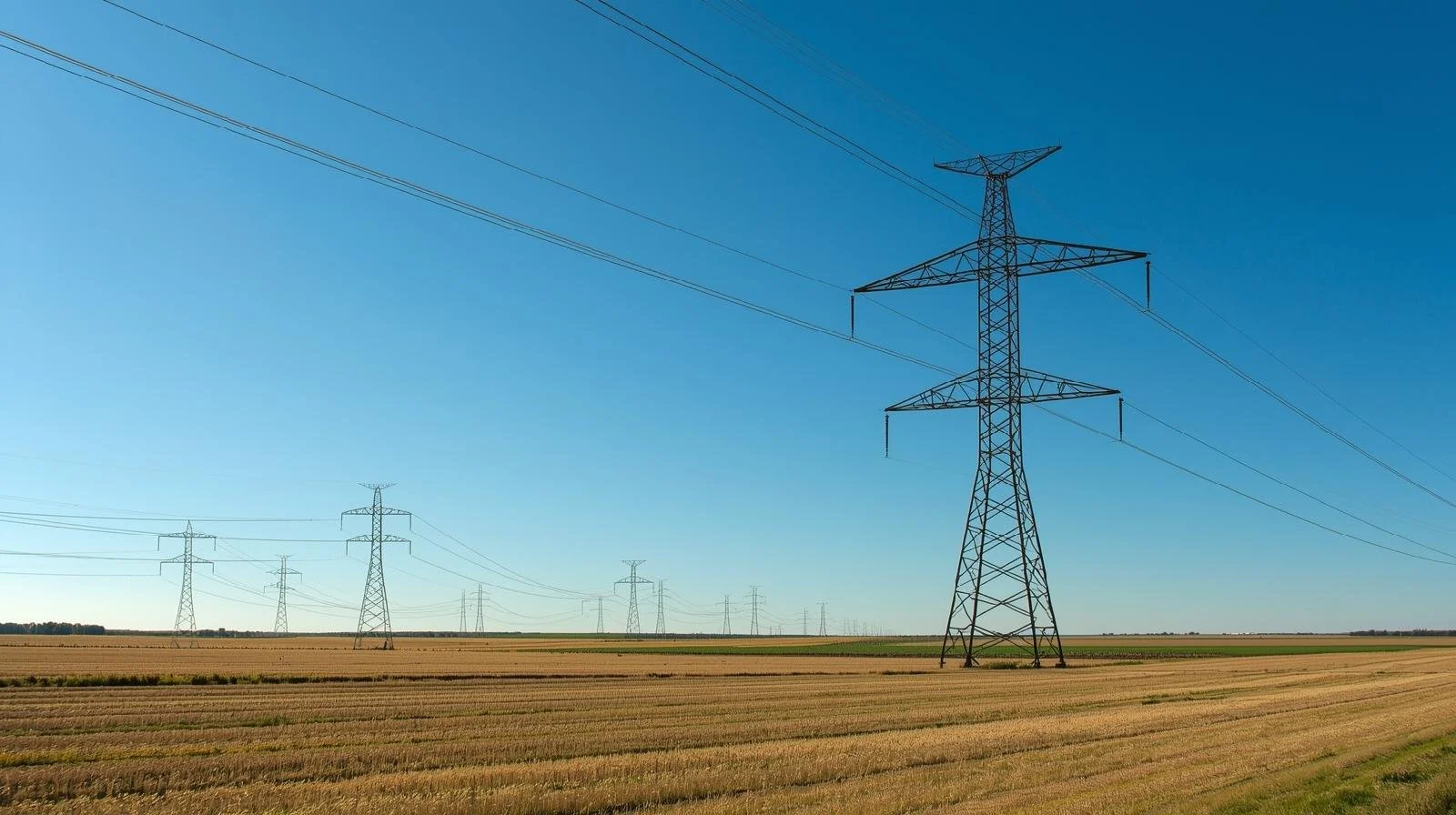
The federal government is not the only body responsible for making these headways, as several states have begun to follow a similar path. In April 2025, West Virginia passed "House Bill 2014", a bill that heavily favors data center development across the state by reducing certification timelines and removing local municipalities' zoning approval rights. Additionally, in July 2025, at Senator McCormick's Pennsylvania Energy and Innovation Summit, investments totaling $90 billion were announced, backed by numerous developers and energy providers. First Energy committed $15 billion to "expand power distribution, strengthen grid infrastructure, and operate the enhanced grid" across almost the entire state of Pennsylvania, while other major CRE groups, like Blackstone, committed $25 billion to data center and energy infrastructure development in the state. Even Arkansas, a state with no hyperscale data centers to date, recently approved a project covering roughly 1,000 acres and delivering 900MW of power in phase 1, with Google as the developer. Maryland and Virginia are also moving forward with new proposals from Dominion Energy to construct several large 500kV and 765kV transmission lines to support future data center developments, according to Piedmont Environmental Counsel.
The state-level push is no surprise, as data centers generate significant tax revenue and have the highest assessed value per acre among all industrial asset types. For reference, Prince William County in Virginia has experienced a major influx of tax revenue from data centers, jumping from $420,000 in 2012 to $23.3 million in 2023, so it makes sense for other states and counties to begin a move in a similar direction.
The push for data centers across the country, of course, does not come without its drawbacks. A primary concern for citizens and local municipalities across the country is the excessive strain on the grid, ultimately leading to higher electricity rates for the average consumer. While this remains a significant concern, with energy companies spreading the costs of new infrastructure and increased demand across all consumers, new law proposals in several states are beginning to shift in favor of households.
Data Center Concerns
In Maryland, the recently proposed House Bill 900 would require electric utilities to implement a specific rate class for data center customers by July 2026, thus holding data centers responsible for the increase in electricity costs that would otherwise be placed on the average electricity consumer. Virginia has already passed laws doing the same, which would come into effect starting in 2027, according to the State Corporation Commission of Virginia. Given the DMV's already high concentration of data centers, it makes sense to implement these changes, as consumers have already experienced significant price hikes. As more states pursue development, it's crucial that they implement similar laws surrounding data centers' electricity costs.
Water usage is another factor that tends to create hesitancy around data centers, but technological advancements have brought significant improvements in this area. Water is needed in large quantities to cool various components of a data center. Deployment of closed-loop cooling systems allows the same water to be reused instead of cycling in new water each time the old water gets too hot, ultimately resolving the issue almost entirely.
Despite concerns about AI's advancement, the heavy investment promoting the deployment of infrastructure across the country cannot be overlooked. Amid many warnings of an AI bubble set to hit in the near future, the flow of capital and government support suggests an entirely different reality. Additionally, technological advancements and laws that hold data centers accountable for rising electricity costs make their implementation in new states much easier. From the looks of it, data center expansion into new untapped markets appears to be inevitable, whether you agree with it or not.
Sources
BBC News - President Donald Trump announces $500 billion AI investment plan in US
The White House - Accelerating Federal Permitting of Data Center Infrastructure
The White House - Reinvigorating the Nuclear Industrial base
West Virginia Legislature - House Bill 2014
Piedmont Environmental Council - Additional Transmission Lines Proposed
